Muscle Scraping in Tucson, AZ
Our licensed massage therapists use a smooth-edged tool to loosen stubborn, ropey tissue, then build it into a medical massage session planned around your body.
- 4.9 Stars from 430 Google Reviews
- Licensed Massage Therapists
- Medical & Sports Massage Clinic
- Serving Tucson & Marana
How Muscle Scraping Works on Tight Tissue
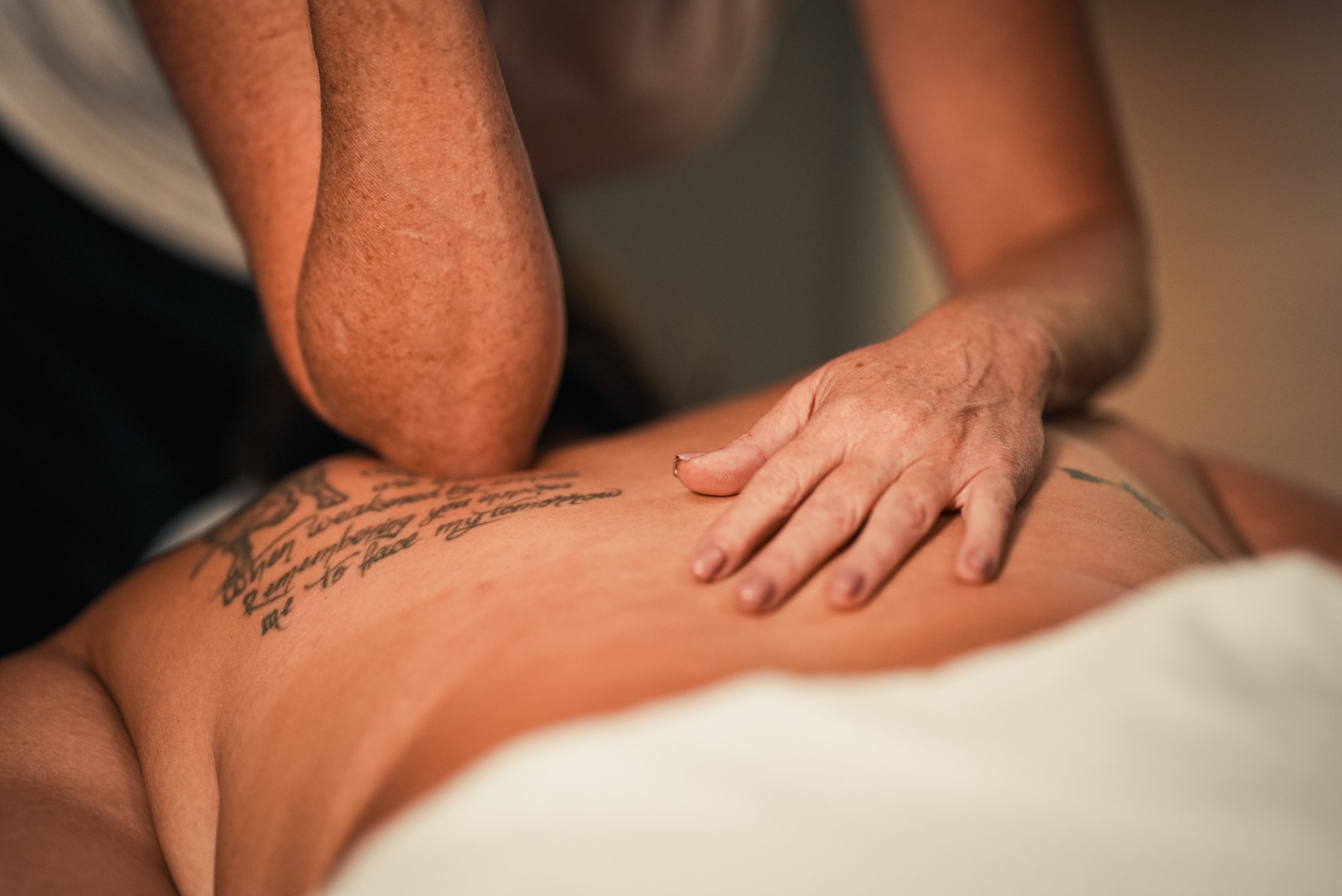
Muscle scraping, also called instrument-assisted soft tissue mobilization or IASTM, glides a smooth, rounded tool over lightly oiled skin. The tool helps your therapist feel where tissue is thick or restricted and work it with steady, controlled strokes.
It follows the same idea as gua sha. With us it is one tool inside a deep tissue, sports or medical massage, used where hands alone are not getting the release you need.
- Finds Restricted SpotsThe tool picks up texture changes that point to tight bands and knots.
- Covers Broad AreasLong strokes work fascia along the back, thighs, calves and forearms.
- Paired With MovementMassage before and stretching after help the change carry into how you move.
What Happens During a Scraping Session
No two sessions follow the same routine. This is the usual shape of one that includes scraping.
- 1Talk it throughYour therapist asks where it hurts, what you do for activity and what you want to get back to.
- 2Warm the tissueHands-on massage comes first, so the muscle is relaxed before the tool touches it.
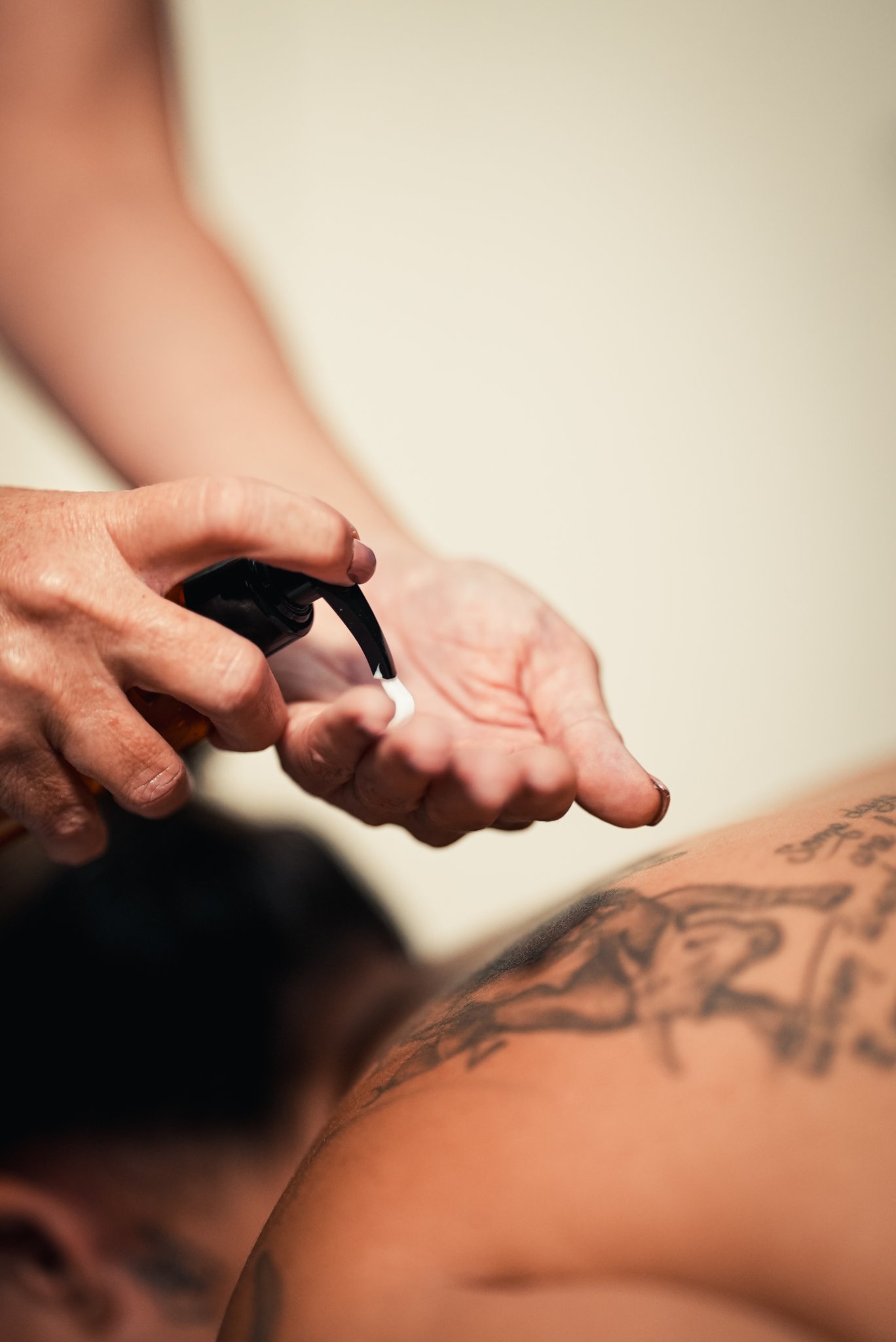
- 3Scrape with controlLotion goes on and the tool glides in short strokes, with pressure set by your feedback.
- 4Move and recheckAssisted stretching or simple movement checks show what changed.
- 5Plan the next stepYou leave with easy at-home care and a suggestion for when to come back.
Who Muscle Scraping Can Help
Scraping suits adults whose muscles feel tight, ropey or slow to recover, especially when regular massage brings only short-lived relief.
Active Bodies
Runners, cyclists, hikers and tennis players whose calves, quads or forearms stay tight after training.
Neck and Back Tension
Desk work, lifting and long shifts on your feet that load the upper back, neck and shoulders.
Limited Range of Motion
Stiff hips, shoulders or hamstrings that resist stretching and feel stuck at the same point.
Old, Healed Strains
Areas that still feel thick or restricted long after a strain or overuse injury has healed.
Check With Your Doctor First
We do not scrape over open wounds, fresh bruises, recent fractures, active skin conditions or varicose veins. Tell us about blood thinners or recent surgery, and your therapist will choose another technique when scraping is not the right fit.
Scraping, Cupping or Deep Tissue Work
All three loosen tight muscles, in different ways. Here is how they compare in our treatment rooms.
A tool presses and glides along the tissue. It is a good match for broad, ropey areas and for muscles that feel stuck to the layer beneath them.
- What it feels like
- Firm, slightly scratchy pressure, often with a warm pink flush.
- Often used on
- Calves, IT band area, forearms, upper back and shoulders.
Suction cups lift the tissue rather than pressing into it, which can ease tension where pressure feels like too much.
- What it feels like
- A pulling, lifting sensation that many people find relaxing.
- Often used on
- Back, shoulders and the back of the thighs. Round marks can last several days.
Hands, forearms and elbows apply slow, sustained pressure to reach deeper layers of muscle and the knots inside them.
- What it feels like
- Focused, firm pressure that eases as the muscle lets go.
- Often used on
- Any area, especially the neck, low back, hips and glutes.
Many sessions use more than one. Your therapist may also add cross-fiber friction, myofascial release, trigger point therapy or assisted stretching, based on how your tissue responds.

"If you want methodical massage treatment by deeply knowledgeable massage therapists, Novum is second to none."
Eric H.Google Review

Licensed Therapists Who Explain the Work
Every scraping session is given by a licensed massage therapist in a medical and sports massage clinic, not a spa. Your therapist tells you what they feel, what they are working on and why.
That matters with scraping, because the tool only helps when it is aimed at the right tissue for your goals.
"Great conversation and explained what and how he was working on the muscles to get the most out of them."
Joshuah R., Google Review
"She has an ability to find those areas that need deeper attention. She doesn't just do a 'feel good' massage."
Donna B., Google Review
After Muscle Scraping: What to Expect
Most people feel looser right away. These are the usual steps from the end of your session to lasting change.
Right After
The worked area may look pink and feel warm, lighter and easier to move.
24 to 48 Hours
Mild tenderness, similar to after a workout, can show up. Drink water and keep moving gently.
Next Few Days
Any flush fades. Ease back into hard training on that area if it still feels sore.
Over a Few Visits
A short series of sessions, plus the stretches your therapist gives you, is what usually makes the change last.
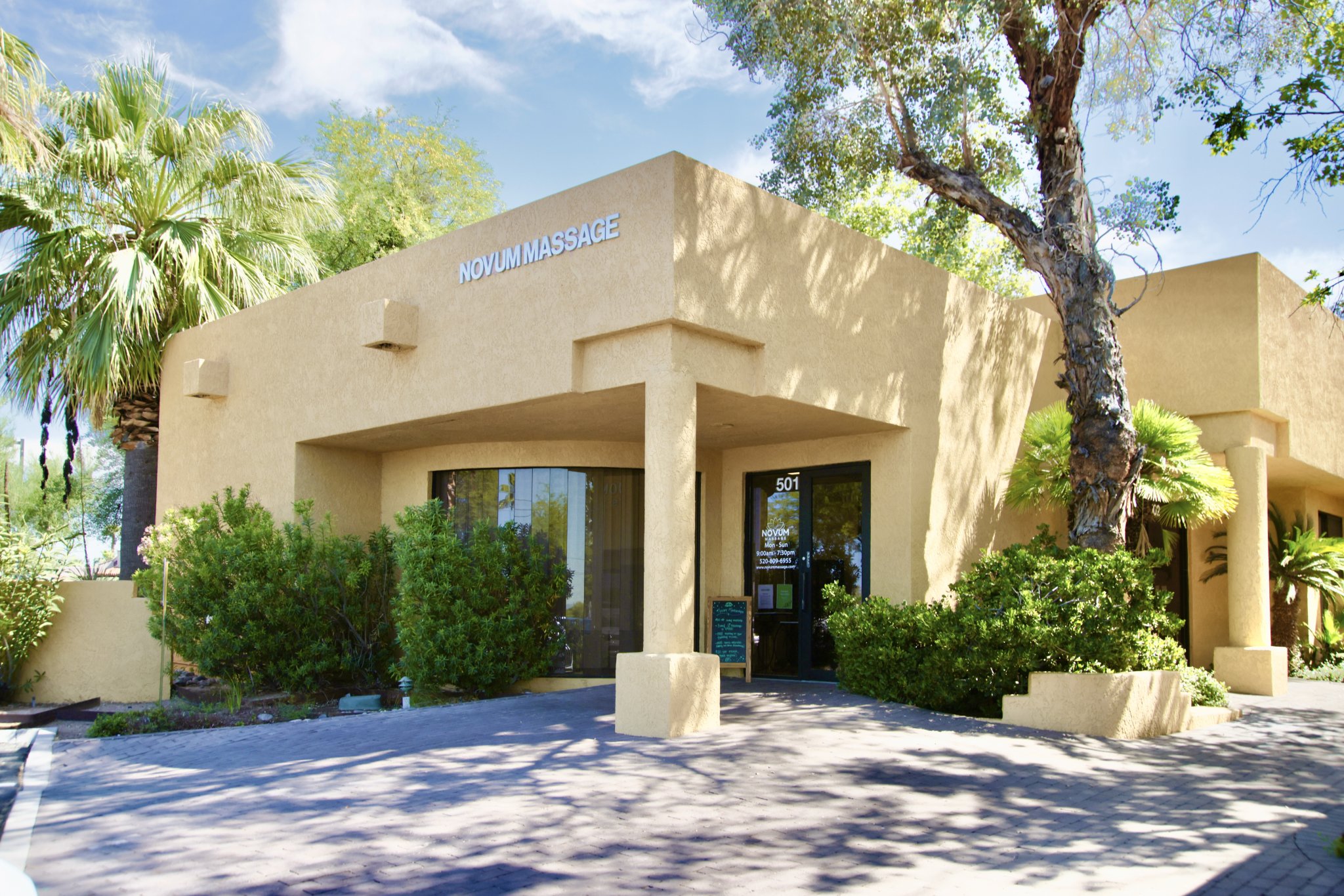
Visit Our Oracle Road Clinic
Who We See
Adults from Tucson, Marana and nearby communities looking for focused muscle work rather than a spa visit.
Muscle Scraping Questions
Does muscle scraping hurt?
It should feel firm and sometimes scratchy, never sharp. Your therapist starts light, checks in as they work and adjusts the pressure to what you can relax into. Tender spots can feel intense for a moment, then usually ease as the stroke continues.
Is muscle scraping the same as gua sha?
They share the same idea: a smooth-edged tool stroked over the skin. Gua sha comes from traditional Chinese medicine, while muscle scraping, often called IASTM, is the sports and rehab version used along specific muscles and fascia. In our sessions it is guided by where your body is tight and how you move.
Will muscle scraping leave marks or bruises?
A pink flush where the tool worked is common and usually fades within hours to a couple of days. Your therapist works at a pressure that suits your skin and tissue. Tell us if you bruise easily or take blood thinners so we can adjust or choose another technique.
How often should I get muscle scraping?
It depends on the problem and how your body responds. Many people start with a few sessions spaced a week or two apart, then space them out as the area stays looser. Your therapist will suggest a rhythm after your first visit.
Can muscle scraping be added to my massage?
Yes. Scraping is usually one part of a deep tissue, sports or medical massage session rather than a separate appointment. Mention it when you book, or ask your therapist during the session whether it suits the area you want worked on.
How much does muscle scraping cost in Tucson, AZ?
Pricing depends on the length of your session and the massage it is combined with. Our team will confirm the price for the session you need when you book.
Get Stubborn Tight Spots Moving Again
Tell us where you feel stuck. Your therapist will build scraping into a session planned around your body and your goals.
6700 North Oracle Road, Tucson, AZ 85704. Serving Tucson, Marana and nearby areas.